Human Resources Management in NetSuite - Streamlining HR Operations for Modern Businesses
In today's fast-paced business landscape, effective human resources (HR) management is crucial for organizations of all sizes. From recruitment and onboarding to employee engagement and compliance, HR functions play a critical role in ensuring the success of a company. With the advent of cloud-based solutions, businesses now have access to advanced HR management systems that can streamline operations and improve overall efficiency. One such powerful tool is NetSuite, a leading cloud-based enterprise resource planning (ERP) system. In this article, we will explore how NetSuite's HR management module can revolutionize HR operations for modern businesses, providing an in-depth overview of its features, benefits, and best practices for implementation.
Understanding NetSuite's HR Management Module
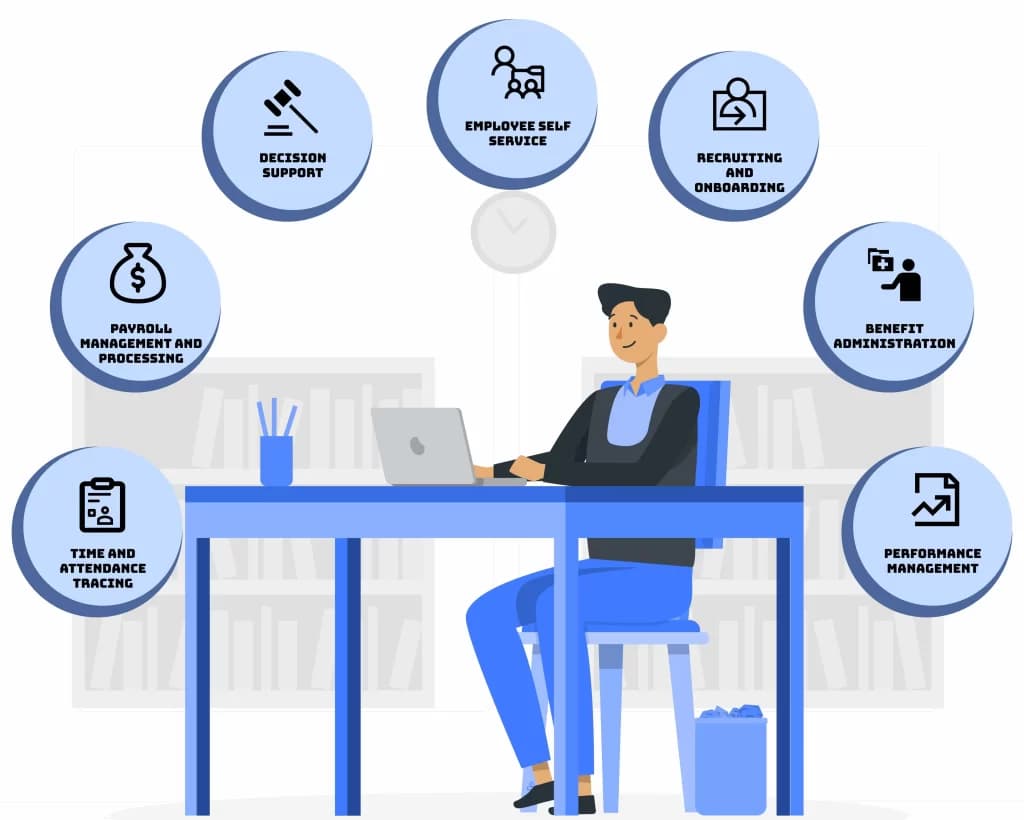
NetSuite offers a comprehensive HR management module that integrates seamlessly with its ERP system, providing a unified solution for managing all aspects of HR operations. This module offers a wide range of features designed to automate HR processes, eliminate manual tasks, and enhance overall productivity. Some of the key features of NetSuite's HR management module include:
Employee data management
NetSuite allows HR teams to store, organize, and manage employee data in a central repository. This includes personal information, employment history, performance reviews, benefits, and more, providing a single source of truth for all employee-related information.
Recruitment and onboarding
NetSuite streamlines the recruitment process by automating job postings, candidate screening, and interview scheduling. Once a candidate is hired, the system enables efficient onboarding, including the creation of new hire records, completion of forms, and assignment of tasks for orientation and training.
Time and attendance tracking
NetSuite’s HR management module simplifies time and attendance tracking by providing automated tools for capturing and managing employee time data. This includes clock-in/clock-out functionality, timesheet submissions, and approval workflows, ensuring accurate and compliant time tracking.
Employee self-service
NetSuite’s HR management module empowers employees by providing self-service capabilities. Employees can access their personal information, benefits, time-off balances, and more, reducing HR administrative overhead and improving employee satisfaction.
Benefits administration
NetSuite streamlines benefits administration by automating enrollment, eligibility, and carrier integration. This ensures accurate benefits management, reduces errors, and enhances compliance with company policies and regulations.
Performance management
NetSuite’s HR management module enables performance management through goal setting, performance evaluations, and feedback tools. This helps align employee performance with company objectives and provides a structured framework for ongoing performance improvement.
Benefits of Using NetSuite for HR Management
Implementing NetSuite's HR management module offers several benefits for modern businesses. Here are some key advantages:
Enhanced Efficiency
NetSuite automates HR processes, eliminating manual tasks and reducing administrative overhead. This frees up HR teams to focus on strategic initiatives rather than mundane administrative tasks, resulting in improved efficiency and productivity
Improved Compliance
NetSuite’s HR management module helps businesses ensure compliance with local and federal regulations by automating processes such as benefits administration, time and attendance tracking, and record-keeping. This minimizes the risk of compliance violations and associated penalties.
Unified Data Management
NetSuite provides a single source of truth for all employee-related data, ensuring that HR teams have access to accurate and up-to-date information. This eliminates data silos, improves data integrity, and enables better decision-making based on real-time data.
Enhanced Employee Self-Service
NetSuite’s employee self-service capabilities empower employees to access their personal information, benefits, and time-off balances. This promotes self-sufficiency, reduces HR administrative overhead, and improves employee satisfaction.